Electric Toys for Boys (& Girls)

You know the sexist saying: “The difference between the men and the boys is the price of their toys”? Well here are six of my recent favorites, ranging in cost from tens to tens of thousands of dollars:

1. “Nissan Leaf”
We’ve now driven 7500 miles in this all-electric car without an oil change or any maintenance – there is nothing under the hood to maintain!
New Leaf
We plug in to a 110 Volt outlet at home in the evening and for about $3 worth of power, we can drive 100 miles the next day at any highway speed allowed and with the great acceleration that the high torque of an electric motor can provide.
The plug-in socket seems to be sufficiently weatherproof for outdoor connections but I don’t leave it connected in violent thunderstorms.
Plugged in in Snow
The big fun part is plugging into public outlets at pay-parking spots where the power is included:
Toledo Charging
Or even better, after hours with free parking, or at The Toledo Museum of Art and a few other noble institutions, where the power is not only totally free, but with their 240 Volt systems the charging speed is much greater.
Sometimes you get to the spot shown in your iPhone ap only to find it occupied – but if it’s by as sleek a car as this Tesla (with 195 miles charge showing on the instrument panel) in ‘our’ spot in Bowling Green last week then it’s hard to complain:
Tesla in BG_0737
Perhaps there really is a “free lunch” after all!
The Leaf is not quite as useful as my old gas-drinking Merc. for carrying my water toys but that’s a separate issue.
Merc with roof load
On Scott’s suggestion, I was surprisingly able to slip the Prodigy windsurf board, sail and two piece mast completely inside the leaf.
Prodigy in Leaf_0778

2. “WinBot”
This device improves on the horizontal running Roomba floor vacuum robot, by sucking onto a vertical flat glass surface with a slippery silicon suction cup.
Windbot_0766
High friction caterpillar tracks drive it across the glass and micro fiber pads wash and wipe it clean. It runs around from edge to edge and corner to corner on its own program, or for fun with kids they can steer it through the window with a remote controller.
Obviously much valued for difficult to reach glass.
Ladder to Windows_0746 - Copy
Winbot

3. “iPhone with ōlloclip” Macro Close-up Attachment.
(OK it’s not exactly an electric toy but it does fit on my electric iPhone which still amazing works after being dropped from 4 ft. (over 1 m) into a shallow puddle!)
Olloclip on iPhone
This little clip-on device allows you to go from this close with your standard iPhone when it is set on max. zoom:
Midge in Macro
to this close:
Midge with Olloclip
Please note: no midges were harmed by the photographer in the preparation of these images! The first one simply flew away, and the second one was removed, dead, from a spider’s web – much easier than trying to actually catch one with a net. You can see the scale by appreciating that the wooden stick is the tip of a tooth pick. The midge is only about 2 mm (1/16 inch) long. I’d like to know its name if you have it?

4. “CritterCam” (or “Trophy Cam”)
CritterCam 609 - Copy
Here is the best night time photo, so far, from six months up a tree on the wild life corridor, down by the Maumee River. The camera is triggered by the Infra Red heat of a creature and takes pictures every 10 seconds until it goes away: night time roaming of the coyote – looking for stranded skiers?
M2E1L0-0R350B300
Naturally, I now also have a few thousand daytime images of squirrels and geese. In Owen Sound, Ontario, my friend Brian’s CritterCam caught this porcupine:
Brians Porcupine - Copy
He is still trying to get the cougar who’s footprints he has seen in the snow.

5. “GoPro”
This amazing waterproof camera, clipped to the boom of a windsurfer, took the videos seen in previous years’ Cape Hatteras blog postings.

With a head harness,GoPro Head Cam_0862 - Copy
it will easily record cross country ski trails (see past winter blog posts) and anywhere else a head is foolish enough to venture, as in the recent May New Yorker magazine cartoon:
New Yorker GoPro

6. “The Drone”
The most awesome toy is the combination of a GoPro camera with the DJI Phantom II QuadCopter drone.
Johns Drone_0652 - Copy
The proportional controls (not simple on/off switches) are three separate joy sticks on the one flight and photo command box. Simply releasing the controls returns them all to a neutral hover mode so it is not impossibly difficult. The drone uses compass, altitude and GPS readings to control itself, and can beam live video back to an iPhone if you need!
Architectural photographer John Muggenborg cautiously allowed me to take the controls during this ‘surveillance’ flight of Manhattan from Fort Greene in Brooklyn, but I take little credit for the following video.
http://youtu.be/eGD7ET6bhJY
John’s great real work is well worth seeing at www.johnmuggenborg.com
Escaping Extinction

It may look like a small item but it meant a lot to us:

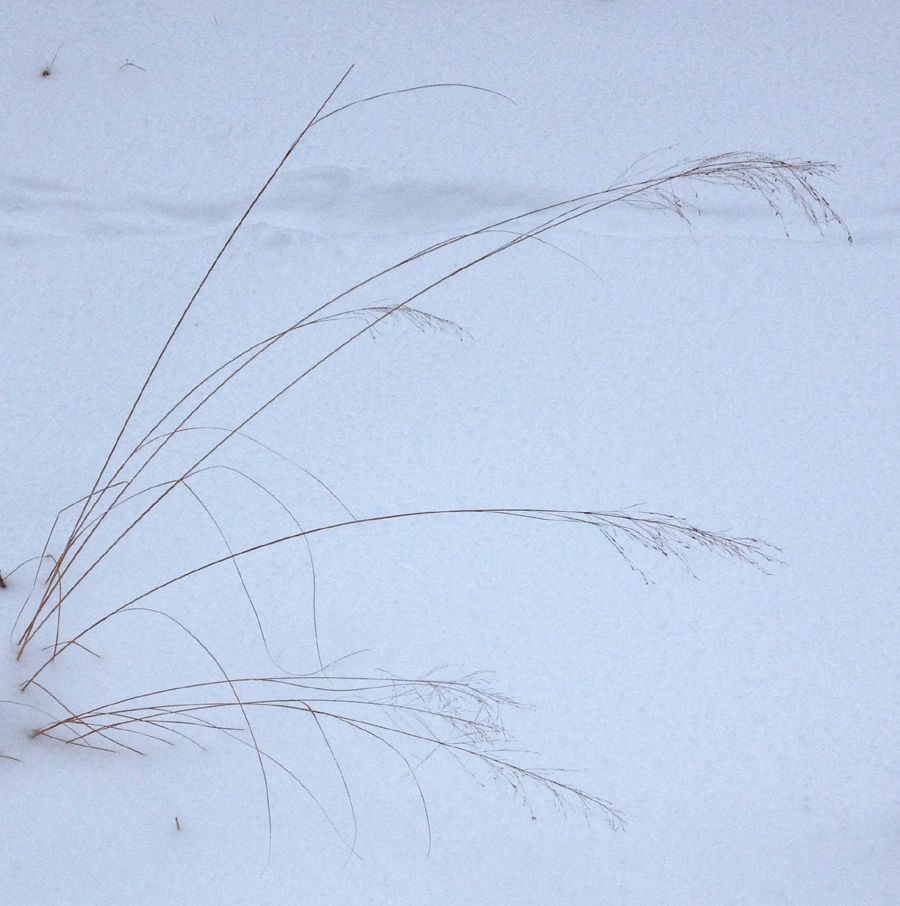
Northern Prairie Dropseed_9057

After trying to grow some original prairie meadow grasses, in the face of severe competition from alien Bermuda Grass, English Ivy and others, a few native Northern Prairie Dropseeds seem to have taken hold.

The real joy came when the native Junco fed on it. First the hungry bird hopped vainly many times up to the seed heads.

Junco seed close 4331

At last, it was able to catch on in its claw and hold it down on the snow to eat it.

Junco on seed 4340

While neither bird nor plant is in immediate danger of extinction, the pressure is on as the aliens steadily take over this fine continent.

An interesting item in last week’s New Yorker says how it was not until 1796 that Georges Cuvier was able to conclusively put forward the concept of extinction. Up to that time many strange fossils had been found but they were thought to be simply records of animals that still lived in areas not yet explored. Everyone then thought that all species essentially lived forever.  Georges could very easily have beaten Darwin to discover evolution by nearly 100 years, but he could not manage that huge next step.

Two magnificent Bald Eagles are waiting in the trees on the small island as I write.

Two Eagles_8979

The amazing, far reaching, effects of DDT were recognized just in time to save the Eagles and many others from needlessly disappearing forever.

A fast shrinking local population of Cross-Country skiers has me fearful for the extinction, here at least, of this delightful sport.  Last week I (not we!) had 5 days of excellent green and blue wax snows.  There is an old map of the trail under the key word “ski” near the top of this blog. Meanwhile here are shaky, one-hand held, iPhone shots of two pretty sections of the trail.

Cannon Canyon

Belazi’s Bowl

For now, the only company I have on the trail is deer hoof prints on the track a day after I set it.  Nice to think that my layout of the trail is somewhat ‘natural’ enough for them to want to follow it:

Deer print 4392

I’m still looking for coyote paw marks.

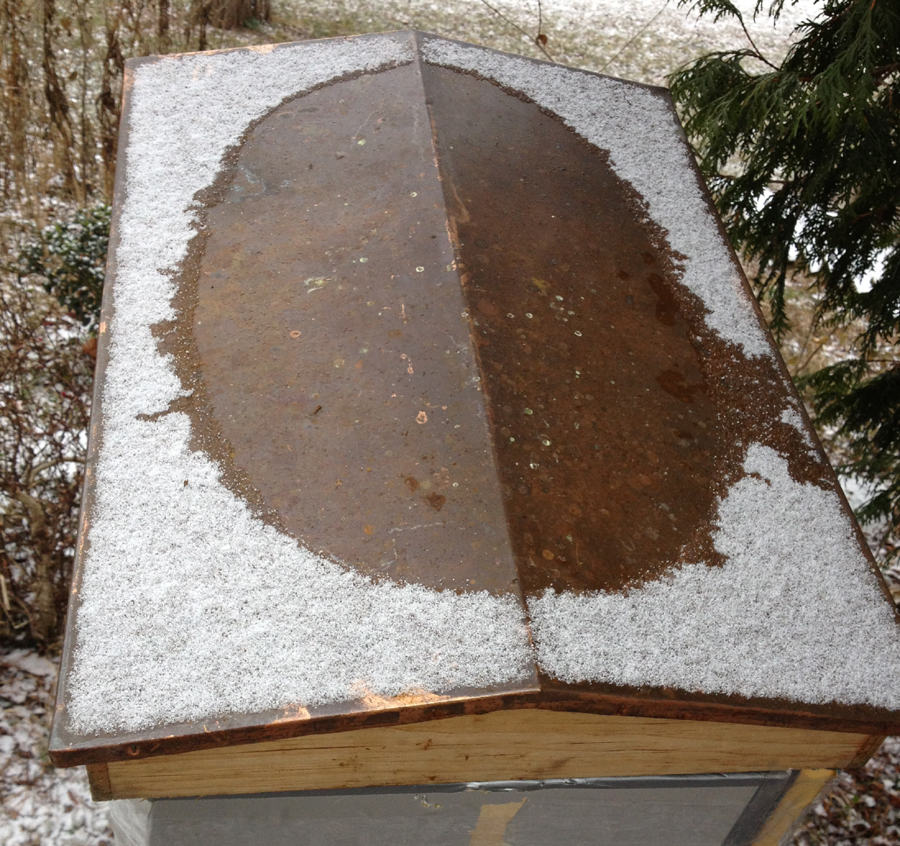
The alien (Russian queen with Italian workers) bees have been wrapped with insulation (by their alien Irish beekeeper) for the winter. One hive is warm enough, from the cluster of bees inside, to melt snow on the roof:

Melted roof snow_9114

But not the other:

Snow not melted_9115

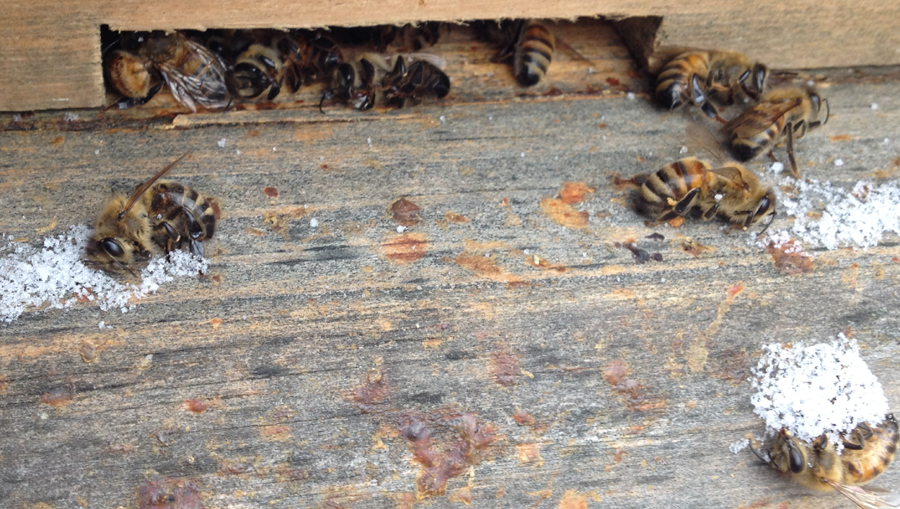
Both are throwing out their dead. Under the microscope there is nothing strange to be seen on their bodies, but I’m told it is a good sign of a healthy hive. Only spring will show if that is true.

Dead Bees_9116

It’s cold. But I’m sure the squirrel will survive if it can remember where it buried the nuts.

Squirrel_9018

Many holes in the snow show lots of digging. I wonder how they ever remember where those walnuts are.

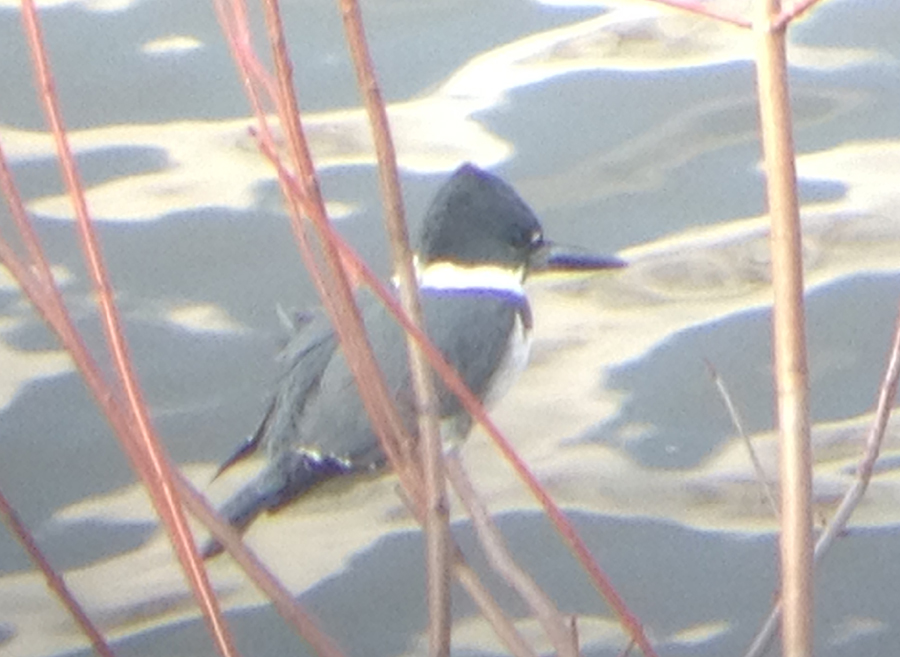
I hope my Kingfisher has moved south to warmer climates.

Kingfisher_8916

He (it looks like a male?) was still here at the end of November when this image, with iPhone held up to the eyepiece of a spotting scope, was taken.

Predators and Prey, Hatteras, NC and Perrysburg, Ohio, October 2013

This fall the Ocean-side waves were too threatening for sailing or swimming all week long. Hatteras is aptly called “The Graveyard of the Atlantic”.

Hatteras Ocean Wave

Hatteras Ocean Wave

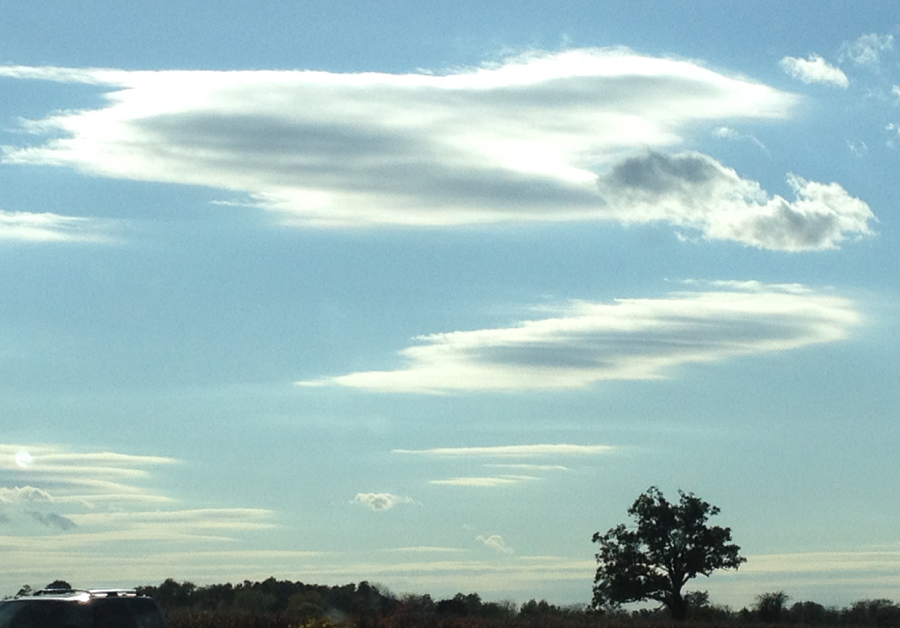
Even the skies seem appropriately threatening.

Cirrus Clouds

Cirrus Clouds

When the sun shone it all looked much more inviting.

Ocean Side Sun and Waves

Ocean Side Sun and Waves

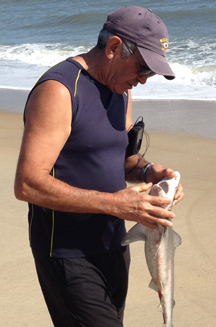
A small shark washed up on the beach.

Beached Shark

Beached Shark

Marcus found that it had died from a fish lure lodged deep in its throat.

Marcos

Marcos

By day, you see many small holes in the sand.

Crab

Crab

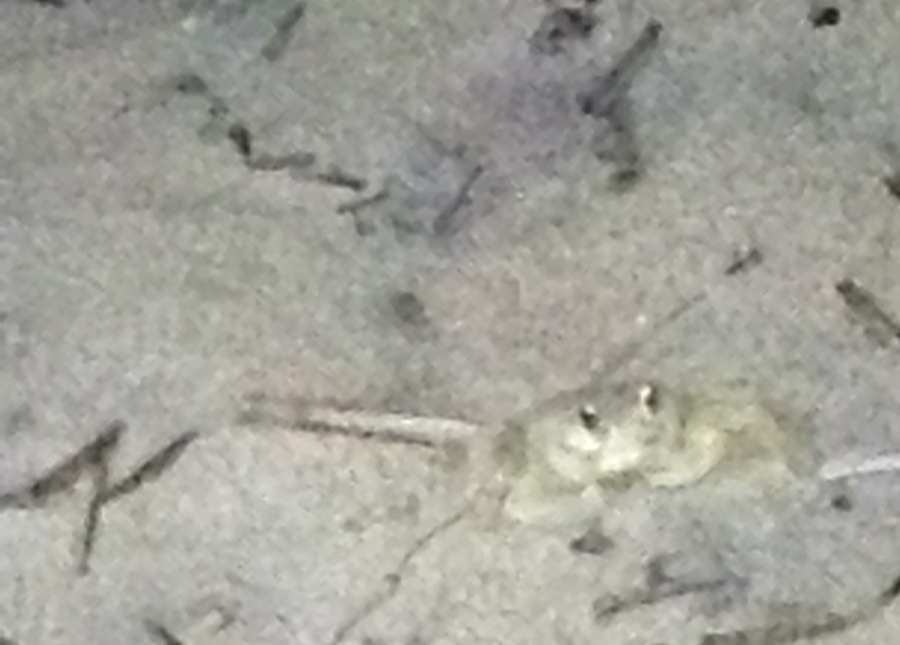
By night the crab occupants come out, but they are still not easy to catch.

Night time crab

Night time crab

Caught Crab

Caught Crab

I wonder who eats them?

In the sand dunes this moth has evolved great camouflage to blend with the colors to avoid being eaten.

Butterfly needing ID?

Butterfly needing ID?

While this wild flower needs all the color it can muster to attract scarce pollinators.

Red Flower in Dunes - Needs ID?

Red Flower in Dunes – Needs ID?

On the sound side of the dunes (where we windsurf) the scene seems more peaceful,

Sound-Side Sunset

Sound-Side Sunset

This luminous green fly is a good contender for the Best Dressed Bug contest.

Green Fly

Green Fly

I don’t know if it is eaten by this magnificent large spider we found living in the reeds.

Black and Yellow Argiope

Black and Yellow Argiope

The female “Black and Yellow Argiope” (thanks Carol for ID) is 1 ½” (35 mm) long. She (not Carol!) eats her web (plus contents I presume) every night, and next morning spins a new one.

This one cormorant stopped for preening and was close enough for a photo.

Cormorant

Cormorant

Many, many thousands of these birds stream by every day, low over the water, sometimes diving en masse for fish, while flying south to some unknown destination which must be unimaginably crowded if they all congregate there together. (I now read that deep diving cormorants, mergansers and loons are dying in Lakes Michigan and Huron from a Type E botulism which they may be eating from the lake bottom)

On the water were kite boards and windsurfers.  Jim’s amazing GoPro waterproof, high resolution cameras attached to the end of my windsurf boom reveal some of the tensions and subtleties involved when you try to connect with foot straps and harness, while riding the wind and the waves.  At first it seems the foot straps are never where my feet are, but then later I find the straps actually are perfectly located.  The harness is another matter: hooking in and out should be effortless, provided it’s properly adjusted – and you must always avoid accidentally hooking in when you should be out!


Footstraps and Harness (not stabilized).


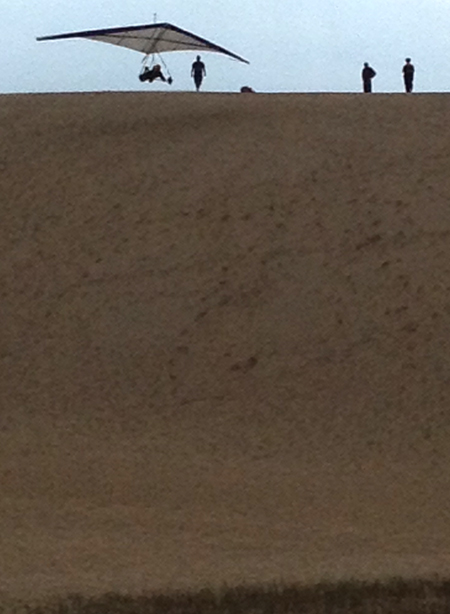
The road back to Ohio goes past Kitty Hawk, where you can appropriately pay homage to the Wright brothers by taking hang glide lessons – very tempting. It would be good to try it one day with a GoPro.

Hang Glide_8696

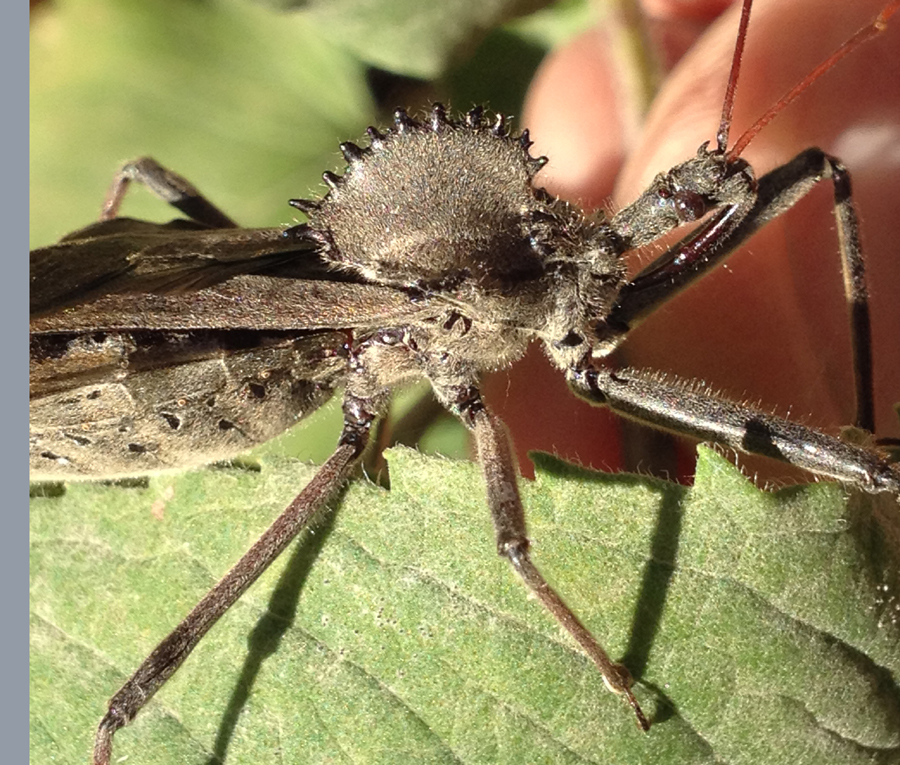
Back home in Perrysburg this bug landed on my Prodigy board and showed me it has evolved a pretty good helmet to protect at least its shoulders from being eaten.  I see now it is called a “Wheel bug” (Arilus cristatus). Very good to have in your garden as it devours aphids and others who’d eat your flowers and vegetables. But beware, while not easily provoked, it does have a very nasty bite. It injects digestive enzymes into its prey so it can more easily suck out the nutritious innards. Perhaps that’s what makes it so painful for humans.

Buzz Saw Head Bug

Wheel Bug

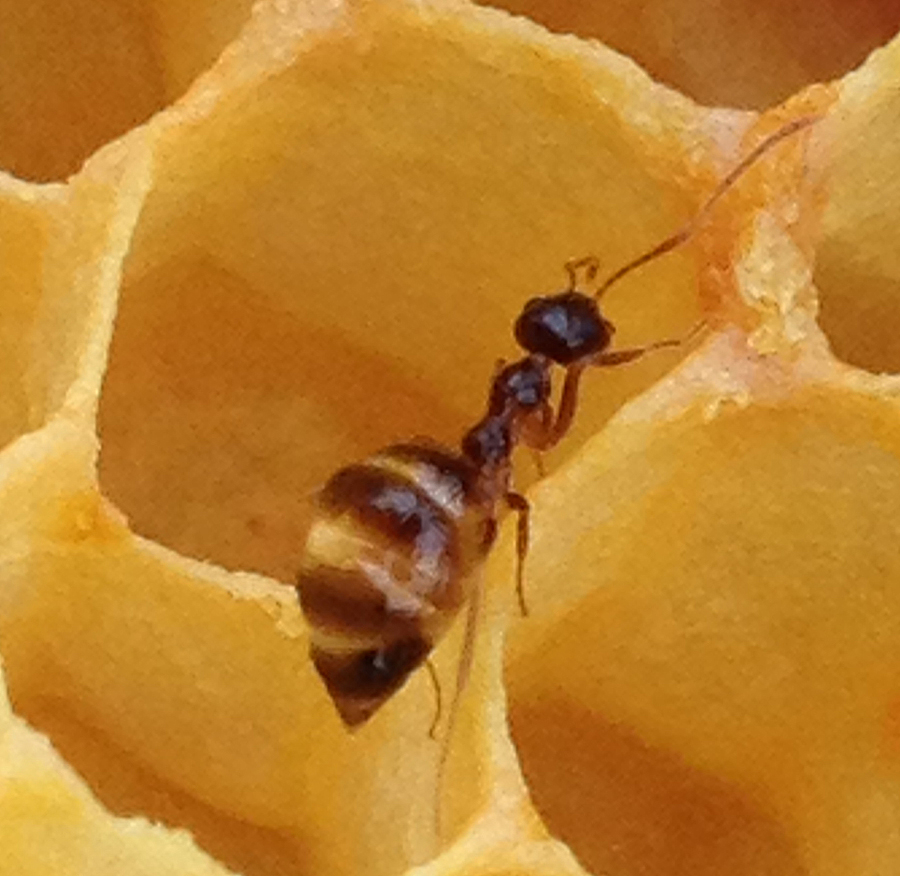
And in the honey bees’ hive I found some of these tiny ants on the comb. Presumably their giant stinger gives them some protection from the much larger bees.

Small Ant with Big Stinger

Small Ant with Big Stinger